
Project management in retail: The expert view with Saqib Rashid
 The importance of project, programme and portfolio management in retail is growing. Nearly two-thirds (65%) of practitioners in the retail, catering and leisure sector anticipate the number of projects their company is working on will increase over the next five years*. As companies innovate, disrupt and adapt amid evolving consumer needs and preferences, effective project management brings structure and consistency.
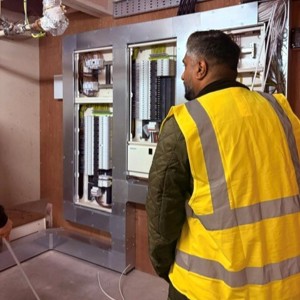
APM spoke with Saqib Rashid (pictured), Associate Director with Virtus Consult Ltd, whose clients include The Perfume Shop, the UK's largest specialist fragrance retailer with over 200 stores across the UK and Ireland. Saqib explained the unique demands of project delivery in live retail environments, and how practitioners like himself are meeting them.
How quickly do priorities change in a retail environment?
Priorities in retail can change almost instantly, and decisions often need to be made just as quickly. If something isn’t right, the impact can be significant — whether that’s lost trading, customer disruption, programme delay or increased cost.
There often isn’t the luxury of taking days to consider every decision. Works continue to move at pace, and delays can quickly have a knock-on effect. That means project teams need to be proactive, adaptable and make informed decisions to keep delivery moving.
Which KPIs matter most when assessing project success?
The key KPIs are programme, cost, operational impact, quality, stakeholder satisfaction and commercial performance.
- Programme is critical. Retail projects are often tied to fixed launch dates, trading periods or business priorities. Delays can have a direct commercial impact, so delivering on time is essential.
- Cost is equally important. Retail projects are commercially driven, so variations need to be managed carefully.
- Operational impact is a major measure, particularly in live trading environments where disruption to customers, staff and day-to-day operations must be minimised.
- Quality and defect management matter too, in terms of whether the space works properly for the retail team and delivers the intended customer experience.
How do you measure whether a project has improved customer experience?
This varies depending on the client and the objectives of the project, but it’s usually measured through a combination of feedback and commercial performance.
Feedback from store teams is particularly valuable because they use the space day-to-day and can see how customers interact with it. They’re often a good indicator of whether the layout, functionality and customer journey are working as intended.
How do you test new processes or systems before full rollout?
Typically, through pilot schemes or trial stores. Retail is a practical environment. What works in theory doesn’t always translate perfectly into a live store. A pilot allows you to test the process or system in a real-world setting, gather feedback from store teams and customers, identify any issues, and make refinements before wider rollout.
What skills make a project manager successful in retail?
Communication is probably the key skill. Project management is largely relationship management. In retail, you’re not just dealing with the project delivery team, but also store teams, operations, IT, facilities, commercial teams, contractors, consultants and senior stakeholders. Each group has different priorities and expectations. Communicating clearly, managing expectations, building relationships and keeping everyone aligned is critical.
Adaptability is also essential, particularly in live retail environments where trading continues, and priorities can shift quickly.
Who are your most influential stakeholders?
For the type of retail projects I deliver, the most influential stakeholders are typically store operations, store teams, commercial and finance, design teams, contractors, vendors, and wider business stakeholders such as IT and brand or marketing.
Store operations and store teams are particularly important because they’re the end users of the space and are directly impacted by the works, especially when projects are delivered in live trading environments. Their feedback is critical to making sure the solution works in practice, not just on paper.
Commercial and finance are also key because retail projects are highly commercially driven.
How do store managers typically respond to change initiatives?
In many cases, change is welcomed because the store is receiving investment, new equipment or an improved environment. In other cases, there can be some hesitation, particularly if the project changes established ways of working or creates disruption during trading.
The key is to manage expectations properly: listen to the operational feedback, be clear about what is in scope, and keep the store team engaged throughout.

Are retail organisations investing enough in PM development and maturity?
Historically, many project managers within retail have developed by working their way up through the business and learning how that particular retailer operates. That experience is valuable, but it doesn’t always come with structured project management development or training that reflects the realities of retail delivery.
As more younger professionals come into the industry, there’s a real opportunity for retail-specific project management training and development. Retail is unique in terms of pace, stakeholder management, live operational constraints and commercial pressure. Development pathways that reflect those challenges would help improve individual capability and wider project management maturity within retail organisations.
Other useful resources
Career spotlight: retail innovation with Emma Maguire, Head of Delivery, Sainsbury’s
The APM Podcast: interview with Hannah Gledhill, Hotel Chocolat
*Source: 2025 survey of 1,000 UK project professionals by APM and Censuswide.
0 comments
Log in to post a comment, or create an account if you don't have one already.